
Microneedling

Your skin does a lot of work every day. Sun exposure, aging, acne, hormones, and even the natural changes that happen over time can affect how smooth, even, and resilient it looks.

Fine lines may start to appear. Pores can look more noticeable. Old acne scars may remain long after the breakouts are gone. Your skin may simply not have the same texture or glow it once did.

Microneedling is a minimally invasive treatment that uses very fine, sterile needles to create controlled micro-injuries in the skin. This triggers the body’s natural healing response and encourages collagen and elastin production, helping improve the appearance and texture of the skin over time.

Unlike BOTOX, microneedling does not relax facial muscles. And unlike filler, it does not add volume. Instead, microneedling works with your skin’s natural healing process to improve skin quality.

What Can Microneedling Do for Your Skin?

Microneedling is designed to stimulate the skin’s natural remodeling process. As your skin heals, new collagen and elastin can help create a smoother, more even appearance.

Depending on your skin and treatment goals, microneedling may help improve:

  • Fine lines and early wrinkles.
  • Uneven or rough skin texture.
  • Enlarged-looking pores.
  • The appearance of certain acne scars.
  • Mild skin irregularities.
  • Uneven skin tone.
  • Overall skin smoothness and firmness.
  • A dull or tired-looking complexion.

The goal isn’t to completely change your face. It’s to help your skin look healthier, smoother, and more refreshed while maintaining your natural features.

A Treatment That Works With Your Skin

Microneedling may sound intimidating, but the treatment itself is relatively straightforward. Before treatment, a topical numbing cream is typically applied to help make the experience more comfortable.

During the procedure, a specialized device creates tiny, controlled punctures in the skin. These micro-injuries stimulate the body’s natural repair response and encourage new collagen and elastin formation.

The depth and treatment approach can be adjusted depending on the area being treated, your skin characteristics, and what you are hoping to improve.

At Aayla, we don’t believe every face, or every skin concern, should be treated the same way. Your skin history, previous treatments, sensitivity, and goals all matter when developing a treatment plan.
>

Benefits of Microneedling

Depending on your skin and treatment plan, you may experience:

  • Smoother-looking skin.
  • Improved skin texture.
  • Softer appearance of fine lines.
  • Less noticeable pores.
  • Improvement in the appearance of certain acne scars.
  • Firmer, more resilient-looking skin.
  • More even-looking skin.
  • A refreshed, healthy-looking complexion.

Gradual improvement without adding volume or changing your facial features.
Microneedling is also customizable. Some patients may benefit from a single treatment, while others may need a series of treatments to address more significant texture concerns or acne scarring.

Results develop gradually as your skin produces new collagen. You may notice an initial improvement in the appearance of your skin, but the remodeling process continues for weeks following treatment.

>

Who Is an Ideal Patient?

Microneedling may be a good option if you:

  • Want to improve the overall quality and texture of your skin.
  • Have fine lines or early signs of aging.
  • Are bothered by enlarged-looking pores.
  • Have certain acne scars or uneven skin texture.
  • Want a treatment that does not add facial volume.
  • Prefer a gradual, natural-looking improvement.
  • Understand that collagen remodeling takes time and that multiple treatments may be recommended.

Microneedling is not a substitute for a facelift or other surgical procedure, and it cannot correct significant skin laxity or replace lost facial volume.

Treatment may need to be postponed or avoided if you have an active skin infection, certain inflammatory skin conditions, poor wound healing, a history of abnormal scarring, or other medical concerns that could affect healing. Pregnancy and breastfeeding may also be reasons to postpone elective cosmetic treatments.

Your medical history, medications, skin-care products, and previous procedures should all be discussed during your consultation.

Risks and Recovery

Microneedling is minimally invasive, but it is still a medical procedure.

Immediately after treatment, your skin may look red or feel warm, tight, or sensitive, similar to a mild sunburn. You may also experience temporary swelling, dryness, peeling, pinpoint bleeding, or tenderness.

These effects generally improve as the skin heals.

Less common complications can include infection, prolonged inflammation, changes in pigmentation, cold-sore reactivation, or an unsatisfactory cosmetic result.

Following your post-treatment instructions is important. You will need to avoid irritating your skin while it heals and protect your skin from unnecessary sun exposure.

Your provider will give you specific instructions regarding when to resume your normal skin-care products, makeup, exercise, and other activities.

>

Your Next Steps

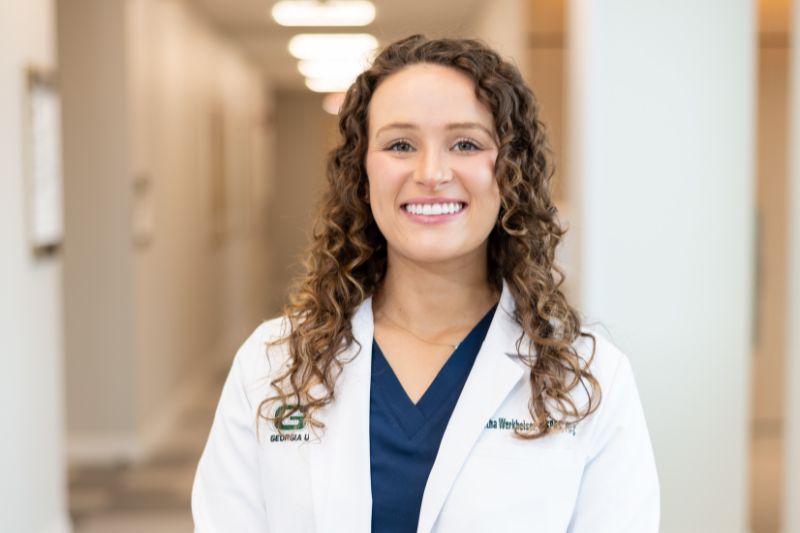
At Aayla, microneedling treatments are performed by Samantha Werkheiser, MSPA, PA-C, a board-certified physician assistant with experience in dermatology. Samantha will evaluate your skin, discuss your concerns and goals, and determine whether microneedling is an appropriate treatment for you.

If microneedling is right for your skin, your treatment plan can be tailored to the areas you want to improve and the degree of change you’re hoping to achieve.

>