
Vaginoplasty

Vaginoplasty restores the tone and structure of the vaginal canal. For women experiencing functional concerns or reduced satisfaction with intimacy, it can be an effective option for a more fulfilling bedroom experience.

Vaginoplasty is a reconstructive surgery that addresses moderate to severe vaginal laxity by repairing specific tissues: the underlying levator and pelvic floor muscles that surround and support the vaginal canal. When these muscles become overstretched or torn, the vaginal opening and canal may widen beyond their normal diameter, compromising structural integrity and reducing sensation. This muscular separation most commonly occurs after vaginal childbirth but can also be related to aging or prior pelvic trauma.

Unlike non-surgical vaginal tightening treatments that target tissue quality or collagen production, vaginoplasty directly repairs the muscular foundation of the vagina. The procedure sutures separated muscles back together and reinforces their natural position, a result that cannot be achieved with radio frequency-based or topical treatments alone. 
>

Who It’s For

Women who are experiencing laxity and a loss of vaginal sensation during intercourse also experience a decline in quality of life. It can interfere with relationships and cause emotional distress, especially when intimacy no longer feels satisfying or reassuring.

Common concerns that may indicate vaginoplasty candidacy include:

  • A sensation of vaginal looseness 
  • Decreased friction or sensation 
  • Difficulty retaining tampons or vaginal pessaries
  • A feeling that “nothing is felt” during intimacy
  • Concerns that a partner may also notice or become dissatisfied
  • Structural changes following vaginal childbirth, pelvic trauma, or normal aging

There is also the occasional case in which vaginoplasty is not appropriate. Patients with mild laxity related to tissue elasticity, those who are early in the postpartum healing phase, individuals planning future vaginal deliveries, or those with untreated pelvic floor disorders may be better served with nonsurgical treatments, pelvic floor therapy, or watchful waiting. 

For women considering vaginoplasty after childbirth, a conservative approach of waiting three to six months postpartum is recommended to allow the body and vaginal tissues to fully recover. While vaginoplasty does not interfere with fertility, future vaginal deliveries can compromise surgical results and may require revision.

A thorough consultation will guide whether vaginoplasty is the most appropriate treatment or if other options may be better suited to your physiology and sexual wellness goals.

>
>

How It Works

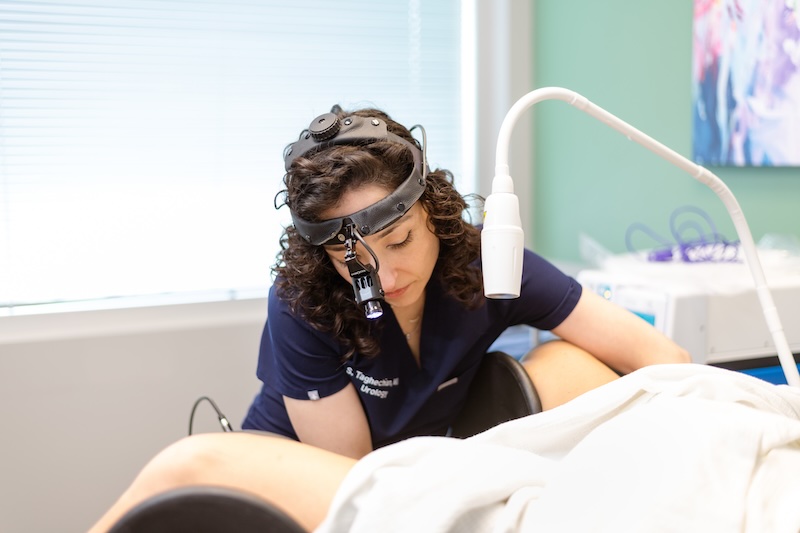
Vaginoplasty is performed by carefully examining the pelvic floor muscles that stabilize the vaginal canal. During consultation, this assessment includes a detailed medical history, discussion of symptoms, and a physical exam to determine the degree of laxity and whether the pelvic muscles have stretched, separated, or torn.

During the procedure, the muscles are sewn back together into a more youthful or pre-pregnancy anatomical position. By repairing the muscular foundation rather than simply tightening surface tissue, vaginoplasty narrows the diameter of the vaginal canal and improves sexual responsiveness.

The procedure typically takes a couple of hours and is performed under anesthesia. Preparing for the procedure may include routine preoperative testing, a review of current medications, and guidance on temporary activity adjustments. Patients are usually advised to stop smoking, avoid certain supplements, and arrange time for rest during recovery to promote healing. 

Recovery varies, but it’s common to experience swelling and soreness that gradually resolve with time, rest, and supportive care like ice packs for the external genitalia. (Remember: with ice, you want to do 20 minutes on and 20 minutes off.) Most patients can return to non-strenuous activities within about a week, while sexual endeavors and heavy lifting should be avoided for four to eight weeks. It is important to note that outcomes depend on individual anatomy, healing, and adherence to postoperative care recommendations.

Our philosophy at Aayla emphasizes education, transparency, and respect for your experience. If vaginal laxity is affecting your comfort, confidence, or intimate relationships, an evaluation with Dr. Taghechian can help determine whether vaginoplasty is an appropriate option and what results you can reasonably expect.

>

FAQ

Is vaginoplasty the same as vaginal rejuvenation?

Vaginoplasty is a surgical, reconstructive procedure that repairs pelvic floor muscles. While it’s sometimes grouped under the term “vaginal rejuvenation,” it specifically addresses structural muscle laxity rather than surface-level tissue changes treated by nonsurgical methods.

Is vaginoplasty painful?

Discomfort, swelling, and tightness are common early in recovery but are usually well managed with prescribed medication, rest, and adherence to postoperative instructions.

Will my partner notice a difference?

Individual experiences vary depending on anatomy and healing, but the goal of the procedure is to reinforce pelvic stability and recover tone to enhance sexual satisfaction for both partners.

How long will the results last?

Results from vaginoplasty are typically long-lasting, particularly when the pelvic muscles are fully repaired and heal properly.

Will I need to take time off work?

Most patients can return to non-strenuous activities and desk work within about a week. Full recovery, including the ability to do heavy lifting, strenuous exercise, and sexual activity, usually takes 4 to 8 weeks.

What do I do during menstruation?

Nothing drastically different, but you’ll need to avoid tampons or menstrual cups until your surgeon confirms it’s safe. Pads or liners are typically recommended during the first few weeks to reduce pressure on the surgical site and minimize infection risk.

Should I do Kegel exercises after the procedure?

Kegel exercises strengthen the pelvic floor muscles, but immediately after vaginoplasty, you need to focus on healing. Once cleared, absolutely! Kegels can help maintain vaginal tone and complement the surgical repair. Your surgeon will provide guidance on timing and technique for safe and effective exercises.